Best Beginner Upper Body Workouts
About
This workout incorporates foundational exercises that are tailored for individuals with less than one year of experience in weightlifting and fitness routines.
The movements utilize user-friendly equipment and are designed to minimize the risk of injury while still delivering an effective and challenging workout.
Focusing on the chest, back, shoulders, biceps, triceps, trapezius, abs, lower back, neck, and forearms, this routine ensures a comprehensive engagement of the major upper body muscle groups.
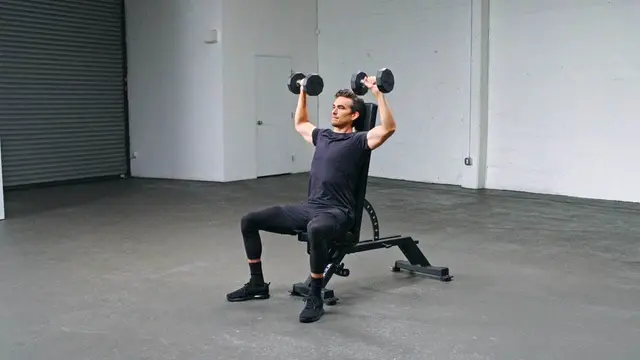
Key exercises include compound movements like Bench Press, Lat Pull Down, Shoulder Press, and Rows, alongside isolation exercises for detailed muscle work.
Participants should adjust the weight to align with their capabilities, ensuring proper form and safety during the workout.
Building a stronger back, broader chest, and a great set of pipes (arms) are all at the top of most beginners’ goals. Upper body workouts are not only important to gain serious muscle mass and strength, but they are also beloved by lifters of all ages and abilities. The gym world, however, can be confusing and downright intimidating for some beginners, which is why we are here to help discuss some of the best upper body workouts for beginners.
So, what are THE BEST upper body workouts for beginners? Beginners can benefit from using compound movements, ones like the bench press, pull up, rows, and overhead presses to add quality muscle mass and strength. The majority of upper body workouts should include these types of compound movements, with single-joint exercises like curls and shoulder raises to account for a smaller part of their training program.
With a firm understanding of the basics, beginners can create effective workout programs that can maximize results, increase workout efficiency, and minimize injury.
Additionally, the key to remember is that beginners will most likely see results from just about anything simply because they are starting from, well, the beginning. Pair that fundamental truth with exercise science, and you have some pretty effective exercises and workout splits to help beginners succeed.
Let’s dive deeper into everything beginners, coaches, and even more advanced lifters need to know when looking to build a better workout program and optimize their training
Below are five (5) fundamental movement patterns that beginners should train frequently.
It’s important that all but one of these patterns (single-joint exercises) are multi-joint movements, meaning that they promote movement across two or more joints of the upper body (elbows, shoulders, etc).
When multi-joint exercises are used, higher amounts of muscle tissue are used during a rep, making the overall muscle growth potential higher for many beginner lifters while also increasing workout efficiency.
1. VERTICAL PRESSING
Vertical pressing movements include movements that are done while pressing loads away from the body in a vertical manner. This is a spectrum, as the higher the pressing angle, the greater the reliance on shoulder strength and muscle than the chest.
Examples of this would be overhead presses, landmine standing presses, high incline presses, and other forms of shoulder/upper chest exercises.
2. VERTICAL PULLING
Horizontal pulling movements include movements that are done with the hands overhead (or at an angle) and are pulling loads back into the body.
Examples of this would be pull-ups, chin-ups, pulldowns, and various rowing movements if done at certain angles.
3. HORIZONTAL PRESSING
Horizontal pressing movements include movements that are done while pressing loads away from the body in a non-vertical manner. This is a spectrum, as the lower the pressing angle (closer to perpendicular to the body), the greater reliance on chest strength and muscle than the shoulders.
Examples of this would be bench presses, push-ups, floor presses, and other forms of chest exercises.
4. HORIZONTAL PULLING
Horizontal pulling movements include movements that are done with the hands extended in front of your body and are pulling loads back into the body.
Examples of this would be wide grip seated rows, single-arm dumbbell rows, barbell bent-over rows, and various rowing movements if done at certain angles.
5. SINGLE JOINT EXERCISES
Following the completion of the above compound, multi-joint pressing and pulling movements, a program can then include single-joint exercises such as tricep press-downs, bicep curls, shoulder raises, etc
It is important to dedicate the majority of training to more compound movements as a beginner, as this can help overall muscle growth and help establish a sound foundation upon which more advanced training can be built upon.
A QUICK NOTE ON BICEPS AND TRICEPS
Every beginner wants to attack arms, and rightfully so. That said, if they properly train the above movements (multi-joint) they will have sufficient training stimulus on the biceps (used in pulling movements) and triceps (used in pressing movements) to see results. If however, they want to add additional arm training, it is best to do so in small doses after completing the fundamental movement patterns discussed above.
Should Beginners Use Machines or Free Weights?
Both. And that goes for all lifters, regardless of age, ability, or goal.
Free weights offer immense benefits, such as increased joint stabilization, awareness, and increase range of motion.
Machines, however, offer benefits to not just beginners, but advanced lifters as well. Using machines, lifters can take a muscle to failure and not be held back by supporting muscle fatigue or balance. Additionally, it can be helpful for increasing stability (using a machine) to allow a lifter to promote greater force and learn proper moment patterning and muscle engagement.
Remember, both free weights and machines are ideal for optimal performance and growth. It is key, however, to have a firm grasp and ability to train with free weights, using machines throughout training to assist when needed or to add additional training volume to a specific muscle group (and not overtax other areas in the process).
How Often Should Beginners Train a Muscle?
While there is not a magic number of days per week, sets and reps, etc, it is generally recommended that training a muscle with moderate volume and intensity can help promote muscle growth and prolonged training (staying with a program more than a few weeks).
Rather than training the chest to complete failure one day, and not being able to walk for a week, splitting that workout up into two or even three separate days (each day only doing a few sets, spreading them out across the entire week rather than one day) may actually allow for greater strength gains, increased recovery, decreased soreness, and enhance one’s ability to continue to progress over time.
Therefore, in the below sample workout plan, all muscle groups are trained two, sometimes three times a week. The overall weekly volume (key for muscle growth) is also often higher when split up like this, rather than performing all of one muscle group sets in one day.
For example, instead of doing 10 sets of chest on one workout per week, which would be a lot of volume for an individual training day, you can do three workouts per week doing 4 sets of chest each workout. In this scenario, at the end of the week you get 12 total sets of chest versus the 10 total sets if you only did one grueling training session.
How Hard Should Beginners Train?
While many people THINK training to complete failure and exhaustion is what is needed to grow muscle and have success, the reality is that a beginner (and even more so for advanced lifters) should NOT train to complete failure every day.
Beginners should aim to train at a 7 or 8 on a 1-10 difficulty scale. This means that they have roughly 2-3 good repetitions left in them every set before failure or poor form/technique.
Leaving some reps “in the tank” ensures proper technique, minimizes overuse injury, and can be a useful way to have the lifter progress the following week without having to simply add more weight too soon and risk injury.
Sets x Reps for Beginners?
Beginners should ideally be subjected to a variety of rep ranges to establish a spectrum of control and coordination with both heavier loads and longer duration sets (fatigue).
The first repetition range that can be used is 6-8 reps to ensure muscle strength, neural adaptations, and movement efficiency under load. The other repetition range often used is 8-12 repetitions, which can help further muscle hypertrophy, build muscle endurance, and still reinforce some neural and movement adaptations.
It is generally recommended that beginners do NOT train with heavy loads (often meaning in the 1-4 repetition range) OR in the 15-20 repetition range.
If loads are heavy and the beginner has not built a foundation, they could be subject to form breakdowns and injury. Likewise, if they use light weights and high repetitions, beginners may succumb to excessive fatigue (muscular and psychological) and lose quality of movement and increase risk of overuse injuries.
How Much Weight Should Beginners Use?
Beginners should use light to moderate loads relative to their strength and abilities. Choosing a load that allows them to complete the prescribed repetition ranges (see above) using proper technique and movement coordination, feel the muscles working, and have roughly 2-3 repetitions left in the tank is key.
It is important to note that just like using too heavy of weight is not ideal for beginners, there is also such a thing as using too light of weight. Therefore, stick to a load that is challenging, yet allows for proper technique and at the same time does not completely exhaust the muscle/body.
How Long Should Beginners Rest Between Sets?
Generally speaking, rest periods for beginners should be between 1-2 minutes. Resting longer than two minutes significantly cuts down on workout efficiency, but also is not necessary if you are using loads and lifting within the correct repetition ranges. Resting too long can also decrease accumulated muscular fatigue, which is exactly what we want to achieve in order to build bigger, stronger muscles.
Conversely, not resting enough can also impede results by not allowing the muscle to recover enough to properly perform the movement without form breakdown. Additionally, shorter rest periods (for beginners, under a minute) may result in too light of loads being used, which may or may not be enough stimulus to ensure optimal muscle growth and strength gains.
Note, that as a beginner progresses and transitions into higher-rep based training or more maximal strength training phases, they can manipulate the amount of rest periods accordingly.
Beginner Tip - Many more advanced lifters can spot a beginner in the gym not by how much weight they can lift but by the amount of time they spend looking at their phone during a workout. It’s OK to log your workout on your phone/app, however, that should only take 30-60 seconds between sets, MAX. Don’t be the person who camps out on a piece of equipment and surfs social media, as that is a sure way to make a bad name for yourself in the gym.
How Can Beginners Progress Their Workouts?
Progressing workouts week-to-week can be done adding weight, increasing reps, and even improving the way you perform movements. Beginners can manipulate more than just weight, making progress much more sustainable and individualized. In an ideal world, progressions would be made with all of these variables in mind, often multiple happening at once.
1. ADD MORE WEIGHT
Adding more weight is about as basic as you can get, and is an effective means of progress IF AND ONLY IF you are properly performing the movement.
Unfortunately, many beginners think (as well as more seasoned lifters) that the only way to progress is to add more weight. Not only is this a flawed way of training (because you cannot add more weight in a linear manner forever), it is also one that will surely catch up to you (and often end in lifting plateaus, injury, and frustration).
Be sure to read the other ways beginners can progress each workout without adding more weighT.
2. PERFORM MORE REPS
Using repetition ranges (as suggested above) is a great way to offer another way to progress week to week.
For example, a beginner is prescribed 4 sets of 6-8 reps of machine bench press using 100lbs, and performs sets of 8-7-6-6 reps.
The following week, rather than increasing the weight to 105lbs, the lifter could simply repeat the sets at 100lbs but aim to perform all sets at 8 reps (an overall training volume increase of 16% from the previous week, if they performed all four sets for eight reps).
If they fall short again, the third week they can either choose to then go up to 105lbs and try to match their total rep count in week 1, or stay at 100lbs and beat their total repetition count from week 2.
3. ESTABLISH MORE CONTROL / BETTER QUALITY OF MOVEMENT
Lastly, a beginner can progress from a previous week by simply challenging the way they perform a movement. While this is a less objective way of progression, it is extremely effective at increasing movement patterning, enhancing technique, and decreasing injury in the long run.
This is a more advanced progression hack that many advanced trainers and coaches use, and can be done by simply repeating a workout that previously was challenging and/or felt awkward while performing the movements.
It can be helpful to record the sets and look at movement characteristics like sticking points, form breakdowns, and/or how much you struggled in a movement. If there is progress from week to week without increasing loads and reps per set, that is still progress.
To maximize results as a beginner, it is important to stay consistent and trust the process. Many beginners try to rush things, switch workouts on a weekly basis, or simply don’t have a plan to achieve their goals.
Hopefully this article shed light on WHY you should be training upper body, how to do it more effectively, and how to ensure growth over weeks and months to come using these 3 upper body workouts.
Remember, frequency is key, as well as proper technique, not training to all-out failure, and focusing your workouts so that you FEEL your muscles working. If pain exists, (pain is different than muscle soreness or discomfort), seek help from a more experienced lifter or fitness professional!
Oh, and PS, while this is an upper body-focused workout article, it is VITAL to optimize the muscle growth and strength development of your legs as well with just as much intensity and frequency as the upper body!
Workout 1
Back, Chest, Triceps, Biceps, Shoulders, Abs
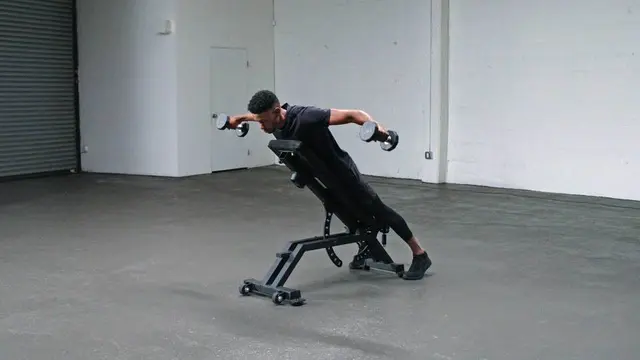
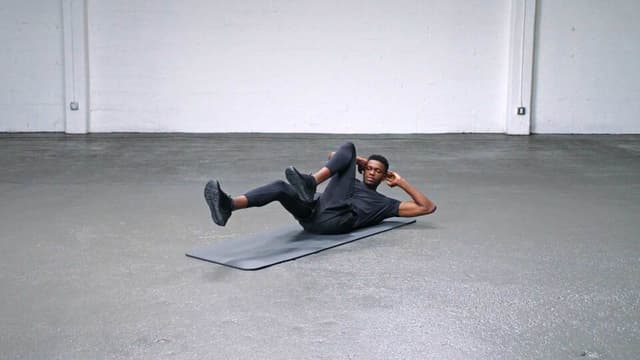
Workout 2
Back, Triceps, Chest, Biceps, Shoulders, Abs

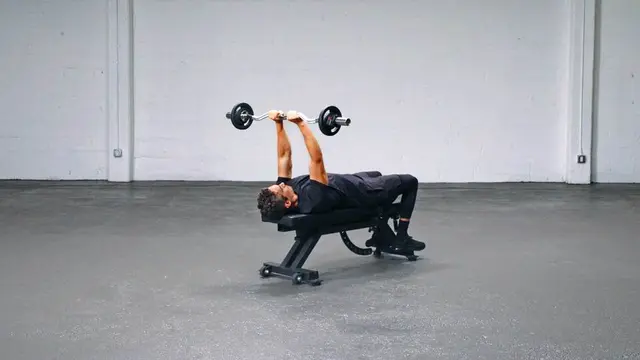
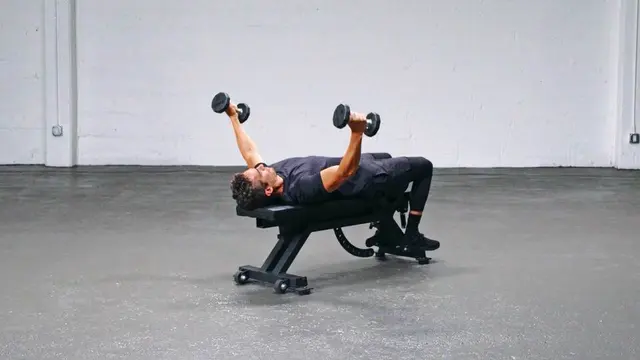
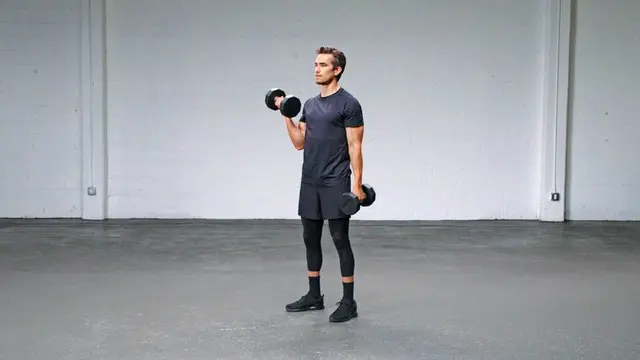
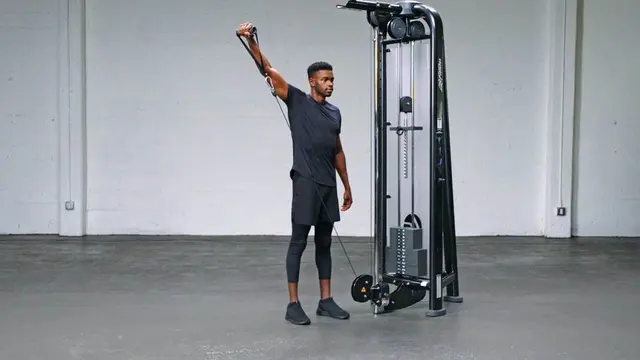

Workout 3
Back, Chest, Triceps, Biceps, Shoulders, Abs
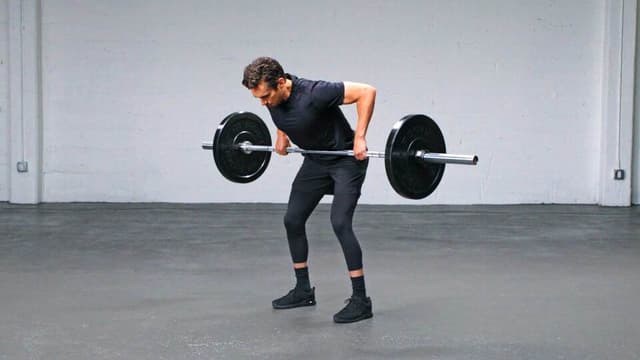
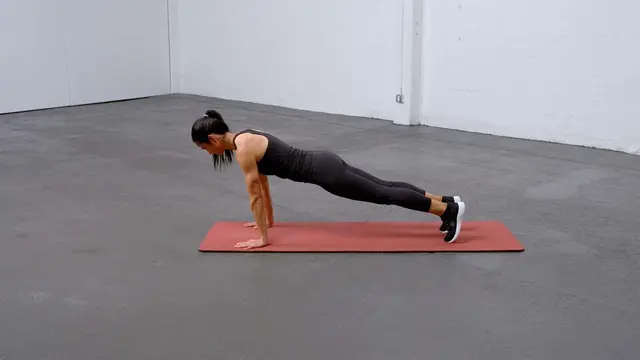
The 15 Best Beginner Upper Body Exercises
Ranked By
Ranked based on Fitbod's internal data set of the most effective exercises. Learn More
1. Cable Row
Cable Row demonstration video — proper form for this exercise. SETS LOGGED6,108,322Back Strength98 mScoreBack Row Cable
The Cable Row is an exercise that strengthens your back, shoulders, and biceps. It uses a cable machine for proper positioning and resistance control, helping you build muscle and strength in your upper body.
How to do it
- Sit on the bench and place your feet on the foot plates.
- Hold the handle with both hands, keeping your back straight.
- Pull the handle towards your torso while leaning back slightly.
- Squeeze your shoulder blades together at the end of the movement.
- Slowly return to the starting position while maintaining tension in your back.
Sets, Reps, Weight18reps45lbs28reps45lbs38reps45lbs2. Dumbbell Bench Press
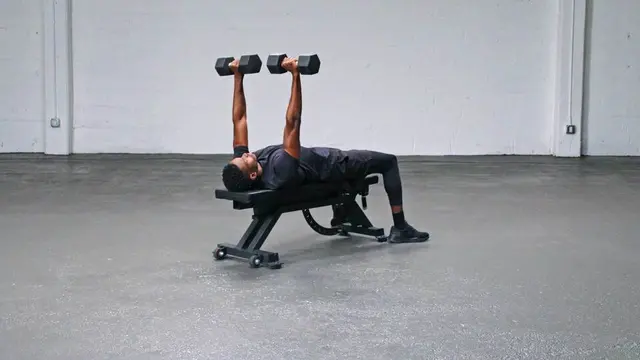
Dumbbell Bench Press demonstration video — proper form for this exercise. SETS LOGGED8,452,674Chest Strength99 mScoreChest Dumbbells
 Flat Bench
The Dumbbell Bench Press is a great exercise for beginners that targets the chest, triceps, and shoulders. Using dumbbells helps improve stability and ensures both sides of the body work equally without compensating for weaknesses.
How to do it
- Lie back on a bench, squeezing your shoulder blades together.
- Place your feet flat on the ground, under your knees.
- Hold the dumbbells outside shoulder-width apart, above your chest.
- Keep your elbows at a 45-degree angle and engage your core.
- Extend your arms fully and then lower the dumbbells back to starting position.
Sets, Reps, Weight18reps20lbs28reps20lbs38reps20lbs3. Dumbbell Fly
Dumbbell Fly demonstration video — proper form for this exercise. SETS LOGGED6,618,981Chest Strength98 mScoreChestDumbbellsFlat BenchThe Dumbbell Fly is an effective exercise for strengthening and building the chest muscles. It also engages the shoulders for support. This exercise helps to develop muscle balance by working each side of the body independently.
How to do it
- Lie on your back on a bench, squeezing your shoulder blades together and keeping your feet flat on the ground.
- Ensure the bench supports your head, shoulders, and buttocks.
- Hold the dumbbells above your shoulders with palms facing inward and elbows slightly bent.
- Engage your core and slowly lower the dumbbells out to the sides in a wide arc, keeping your elbows slightly bent.
- When the dumbbells are level with your chest, exhale and lift them back to the starting position.
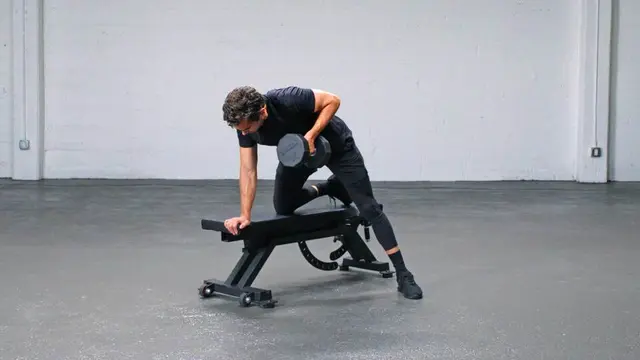
Sets, Reps, Weight18reps17.5lbs28reps17.5lbs38reps17.5lbs4. Dumbbell Row
Dumbbell Row demonstration video — proper form for this exercise. SETS LOGGED8,648,581Back Strength99 mScoreBackDumbbellsFlat BenchThe Dumbbell Row is a great exercise that strengthens your back, shoulders, and biceps while also engaging your core for stability. You can do this exercise using a flat bench and dumbbells, making it accessible even with limited equipment.
How to do it
- Place a dumbbell on each side of a flat bench.
- Kneel on the bench with your right knee and place your right hand on the bench's edge.
- Keep your torso parallel to the ground and grab the dumbbell with your left hand, palm facing your torso.
- Pull the dumbbell up to your side, engaging your back; exhale as you lift.
- Pause briefly at the top, then lower the dumbbell back to the starting position.
Sets, Reps, Weight18reps30lbs28reps30lbs38reps30lbs5. Lat Pulldown
Lat Pulldown demonstration video — proper form for this exercise. SETS LOGGED8,113,246Back Strength100 mScoreBack Lat Pulldown Cable
The Lat Pulldown is a great exercise for strengthening your back, shoulders, and biceps. It's similar to a Pull Up but is more stable, making it easier for beginners to control the movement and adjust the resistance.
How to do it
- Attach a bar to the pull-down pulley and grip it with your hands shoulder-width apart, palms facing forward.
- Sit upright on the seat, placing your knees under the adjustable pad.
- Engage your core and keep your spine straight.
- Pull the bar down towards your chest by bending your elbows, leaning back slightly.
- Slowly return the bar to the starting position.
Sets, Reps, Weight18reps55lbs28reps55lbs38reps55lbs6. Barbell Curl
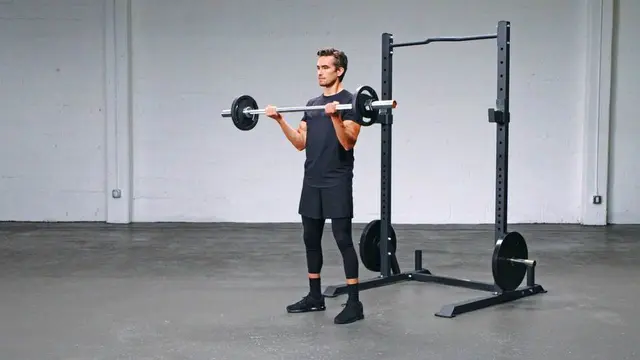
Barbell Curl demonstration video — proper form for this exercise. SETS LOGGED5,529,638Biceps Strength96 mScoreBiceps Barbells
The Barbell Curl is a great exercise that targets your biceps by isolating the muscle. Using a barbell helps keep your movements stable so you can focus on building strength without losing balance.
How to do it
- Stand up straight and grasp a barbell with both hands, shoulder-width apart, palms facing away.
- Tighten your core by taking a deep breath and flexing your stomach muscles.
- Bend your elbows to lift the barbell to shoulder height, keeping your elbows close to your sides.
- Exhale and slowly lower the barbell back to the starting position.
Sets, Reps, Weight18reps30lbs28reps30lbs38reps30lbs7. Dip
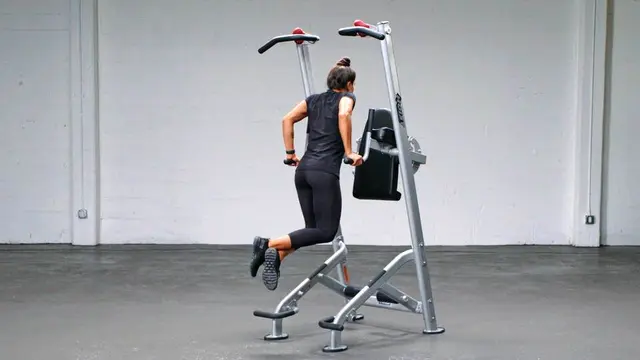
Dip demonstration video — proper form for this exercise. SETS LOGGED2,690,853Triceps Strength92 mScoreTriceps Dip (Parallel) Bar
Dips are a bodyweight exercise that primarily targets the triceps. You lift and lower your body using your arms while keeping your core engaged.
How to do it
- Hold onto the dip bars with straight arms and slightly bent elbows.
- Suspended above the ground, brace your core and keep your back straight.
- Lean your body forward slightly and pull your elbows down to lower yourself.
- Keep your elbows close to your sides until they reach a 90-degree angle.
- Push back up to straighten your arms and return to the starting position.
Sets, Reps, Weight16reps26reps36reps8. Dumbbell Bicep Curl
Dumbbell Bicep Curl demonstration video — proper form for this exercise. SETS LOGGED10,161,709Biceps Strength99 mScoreBicepsDumbbellsThe Dumbbell Bicep Curl is a popular exercise that targets the biceps, helping to build strength and muscle. Using dumbbells allows for better control and range of motion, making it an effective choice for workouts.
How to do it
- Stand upright and hold a dumbbell in each hand at your sides, palms facing you.
- Engage your core by breathing deeply and tightening your abdominal muscles.
- Flex your elbows to lift one dumbbell up towards your shoulder while keeping your elbow close to your side.
- As you lift, rotate your wrist so your palm faces your shoulder at the top of the curl.
- Lower the dumbbell back to the starting position by rotating your wrist back to palms-facing position.
- Once the first dumbbell is down, repeat the process with the other arm.
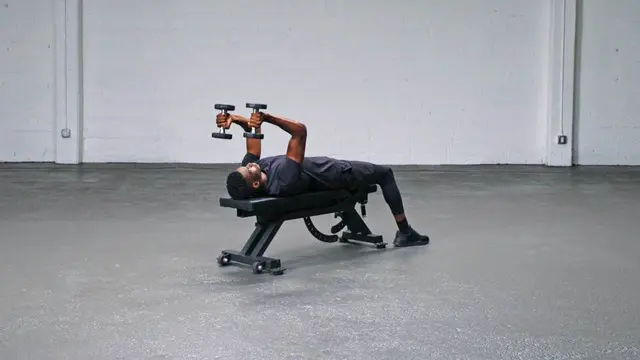
Sets, Reps, Weight18reps20lbs28reps20lbs38reps20lbs9. Dumbbell Skullcrusher
Dumbbell Skullcrusher demonstration video — proper form for this exercise. SETS LOGGED5,879,914Triceps Strength98 mScoreTricepsDumbbellsFlat BenchThe Dumbbell Skullcrusher is a great exercise for strengthening your triceps. Using dumbbells helps ensure both arms work equally and adds a challenge to your stability.
How to do it
- Lie on your back on a bench with your shoulder blades squeezed together and feet flat on the floor.
- Ensure the bench supports your head, shoulders, and hips.
- Hold dumbbells above your shoulders with palms facing each other and elbows slightly bent.
- Engage your core and lower the dumbbells behind your head by bending your elbows, keeping your upper arms stable.
- When the dumbbells are just above your forehead, exhale and lift them back to the starting position.
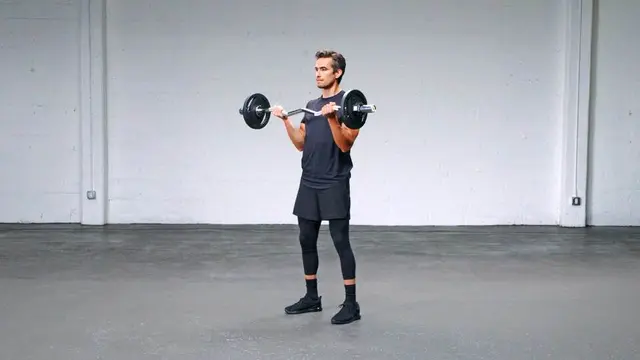
Sets, Reps, Weight18reps17.5lbs28reps17.5lbs38reps17.5lbs10. EZ-Bar Curl
EZ-Bar Curl demonstration video — proper form for this exercise. SETS LOGGED4,152,468Biceps Strength97 mScoreBiceps EZ Bar
The EZ-Bar Curl is an exercise that focuses on strengthening your biceps. Using an EZ-Bar offers better stability and comfort for your wrists, making it easier to concentrate on lifting weights.
How to do it
- Stand up straight and hold the EZ-Bar with both hands, palms facing away from you, at waist height.
- Engage your core by tightening your stomach muscles.
- Curl the bar by bending your elbows, raising it to shoulder height while keeping your elbows close to your body.
- Lower the bar back to the starting position and exhale.
Sets, Reps, Weight18reps30lbs28reps30lbs38reps30lbs11. Hammer Curls
Hammer Curls demonstration video — proper form for this exercise. SETS LOGGED8,921,793Biceps Strength98 mScoreBicepsDumbbellsHammer Curls are a bicep exercise that involve turning your wrists for a more natural grip. This helps target the long head of the bicep while building muscle and strength.
How to do it
- Stand tall with your feet shoulder-width apart.
- Hold a dumbbell in each hand with your palms facing inward and arms at your sides.
- Engage your core by tightening your stomach muscles.
- Curl one dumbbell up to shoulder height while keeping your elbow close to your side.
- Lower the dumbbell back down to the starting position.
- Switch arms and repeat the movement.
Sets, Reps, Weight18reps20lbs28reps20lbs38reps20lbs12. Skullcrusher
Skullcrusher demonstration video — proper form for this exercise. SETS LOGGED2,594,390Triceps Strength97 mScoreTricepsEZ BarFlat BenchSkullcrushers are a triceps exercise performed while lying on a bench. This movement focuses on isolating the triceps and can be done with an EZ-Bar for better grip and stability.
How to do it
- Lie back on a bench, keeping your shoulder blades squeezed and your heels flat on the ground.
- Ensure the bench supports your head, shoulders, and buttocks at all times.
- Hold the EZ-Bar above your shoulders with hands shoulder-width apart.
- Keep your upper arms still and bend your elbows to lower the bar just above your forehead.
- Exhale as you extend your arms to lift the bar back to the starting position.
Sets, Reps, Weight18reps25lbs28reps25lbs38reps25lbs13. Bicycle Crunch
Bicycle Crunch demonstration video — proper form for this exercise. SETS LOGGED4,691,493Abs Strength98 mScoreAbsThe Bicycle Crunch is an advanced ab exercise that targets your core while keeping your upper body lifted. Instead of lowering your torso, you maintain the position and move your legs in a cycling motion for better muscle engagement.
How to do it
- Lie on your back with your hands behind your head and knees bent at 90 degrees.
- Lift your feet off the ground to start.
- Extend one leg straight while keeping the other knee bent toward your chest.
- Return the leg to your chest and touch your opposite elbow to that knee while twisting your torso.
- Switch legs and repeat, lowering your head and shoulders to the ground between reps.
Sets, Reps, Weight19reps29reps39reps14. Crunches
Crunches demonstration video — proper form for this exercise. SETS LOGGED5,557,695Abs Strength100 mScoreAbsCrunches are a simple exercise that strengthens your abdominal muscles. Unlike sit-ups, you only lift your shoulder blades off the ground. This makes crunches perfect for beginners wanting to improve their core strength.
How to do it
- Lie on your back with knees bent and feet flat on the floor.
- Place hands behind your head and keep your lower back on the ground.
- Curl your shoulders off the floor by tightening your abdomen, keeping your chin tucked.
- Lower your shoulders back to the ground while holding tension in your abs.
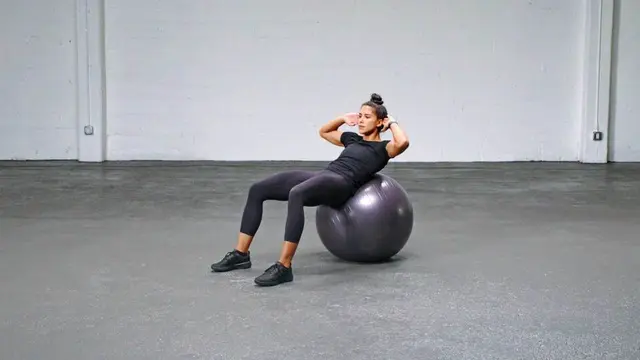
Sets, Reps, Weight19reps29reps39reps15. Exercise Ball Crunch
Exercise Ball Crunch demonstration video — proper form for this exercise. SETS LOGGED1,431,747Abs Strength94 mScoreAbs Stability (Swiss) Ball
The Exercise Ball Crunch is a challenging version of the standard Crunch that includes a medicine ball for added weight. It's perfect for beginners who want to strengthen their core muscles while using a stability ball.
How to do it
- Sit on the Exercise Ball with your knees bent and feet flat on the floor.
- Lean back onto the ball, keeping your back straight.
- Cross your arms over your chest or place your hands behind your head.
- Engage your core and curl your upper body towards your knees.
- Lower back down slowly, keeping your core tight throughout the movement.
Sets, Reps, Weight19reps29reps39reps
Alternative Workouts
Alternative Beginner Workouts
- Best Beginner Glutes Workouts
- Best Beginner Workouts With Trx
- Best Beginner Workouts With Barbells
- Best Beginner Workouts With Ez Bar
- Best Beginner Workouts With Pvc Pipe
- Best Beginner Push Day Workouts
- Best Beginner Quadriceps Workouts
- Best Beginner Chest Workouts
- Best Beginner Workouts With Resistance Bands
- Best Beginner Workouts With Stability Swiss Ball
- Best Beginner Workouts For Men
- Best Beginner Workouts With Medicine Balls
- Best Beginner Trapezius Workouts
- Best Beginner Forearms Workouts
- Best Beginner Core Workouts
- Best Beginner Lower Back Workouts
- Best Beginner Workouts For Women
- Best Beginner Workouts With Kettlebells
- Best Beginner Workouts With Weight Machines
- Best Beginner Abductors Workouts
- Best Beginner Shoulders Workouts
- Best Beginner Legs Workouts
- Best Beginner Workouts With Landmine
- Best Beginner Hamstrings Workouts
- Best Beginner Chest And Back Workouts
- Best Beginner Back Workouts
- Best Beginner Workouts With Smith Machine
- Best Beginner Workouts To Power Lift
- Best Beginner Workouts To Get Lean And Burn Fat
- Best Beginner Triceps Workouts
- Best Beginner Workouts To Build Muscle Mass
- Best Beginner Workouts With Cable Machines
- Best Beginner Workouts With Flat Bench
- Best Beginner Chest And Tricep Workouts
- Best Beginner Biceps Workouts
- Best Beginner Adductors Workouts
- Best Beginner Bicep And Shoulders Workouts
- Best Beginner Workouts With Pull Up Bar
- Best Beginner Arms Workouts
- Best Beginner Calves Workouts
- Best Beginner Workouts To Build Strength
- Best Beginner Abs Workouts
- Best Beginner Pull Day Workouts
- Best Beginner Workouts With Dumbbells
- Best Beginner Full Body Workouts
- Best Beginner Workouts With Garage Gym
- Best Beginner Workouts With Bosu Balance Trainer
- Best Beginner Workouts With Bodyweight
Alternative Upper Body Workouts
- Best Upper Body Workouts With Landmine
- Best Upper Body Workouts For Men
- Best Upper Body Workouts With Bosu Balance Trainer
- Best Upper Body Workouts To Build Muscle Mass
- Best Upper Body Workouts To Get Lean And Burn Fat
- Best Upper Body Workouts With Stability Swiss Ball
- Best Upper Body Workouts With Barbells
- Best Upper Body Workouts With Medicine Balls
- Best Upper Body Workouts With Ez Bar
- Best Upper Body Workouts To Build Strength
- Best Upper Body Workouts With Resistance Bands
- Best Upper Body Workouts With Trx
- Best Upper Body Workouts With Cable Machines
- Best Upper Body Workouts With Kettlebells
- Best Upper Body Workouts With Pull Up Bar
- Best Upper Body Workouts With Smith Machine
- Best Upper Body Workouts With Garage Gym
- Best Upper Body Workouts With Flat Bench
- Best Advanced Upper Body Workouts
- Best Upper Body Workouts With Weight Machines
- Best Upper Body Workouts With Dumbbells
- Best Upper Body Workouts With Bodyweight
- Best Upper Body Workouts To Power Lift
- Best Upper Body Workouts For Women